

When we step into a temple or sit down for daily worship at home, one of the most common practices we follow is facing the East. While it may seem like a simple ritual passed down through generations, this practice is deeply rooted in Vedic wisdom, Vastu Shastra, and spiritual philosophy. Understanding the reasoning behind it adds depth and meaning to something many of us already do instinctively.
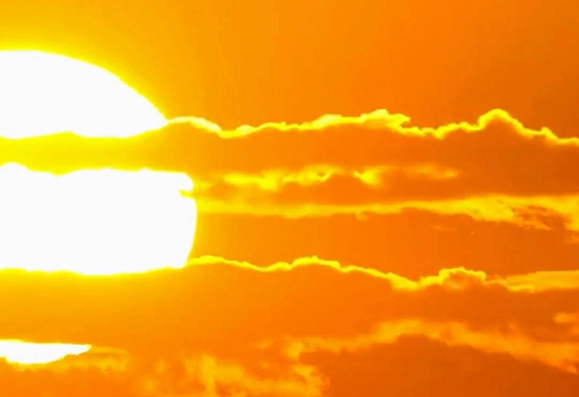
The East holds a special place in Hindu thought because it is the direction of the rising sun. The sun is revered as the source of life, energy, and knowledge, and its first rays symbolize the beginning of a new day filled with hope and possibility. Facing East during prayer is, therefore, symbolic of aligning oneself with light, clarity, and positive beginnings. It represents a conscious movement away from darkness and ignorance toward awareness and spiritual awakening.

This belief is strongly supported by ancient scriptures.
A well-known verse in Taittiriya Samhita (6.1.1) states:
देवमनुष्या दिशो व्यभजन्त
प्राचीं देवा दक्षिणा पितरः
प्रतीचीं मनुष्या उदीचीं रुद्राः
Meaning:
- East belongs to the Devas (gods)
- South to the Pitrs (ancestors)
- West to humans
- North to the Rudras
The Taittiriya Samhita describes how different directions were assigned to different cosmic beings, with the East belonging to the Devas, or gods. This makes the East the most sacred direction for worship, as it is considered the abode of divine energies.
Similarly, the Brihat Samhita identifies the East, along with the North and North-East, as highly auspicious directions associated with positivity and good fortune. These scriptural references reinforce why temples and home shrines are often oriented toward the East.
Beyond spirituality, Vastu Shastra provides a more experiential explanation. According to Vastu principles, each direction carries a unique flow of energy, and the East is believed to be a source of positive and life-enhancing forces. The gentle morning sunlight, the natural movement of air, the Earth’s magnetic influence, and even thermal conditions contribute to making this direction energetically favorable. Because of these factors, the East is often referred to as “Indra’s direction,” symbolizing divine blessings, growth, and upliftment.
Facing the East while praying is also believed to create a harmonious alignment between the individual and the cosmos. When a person orients themselves in the right direction, their internal energy resonates more effectively with the universal energy around them. This alignment enhances focus, deepens meditation, and makes prayers more impactful. It is not just about physical orientation, but about tuning oneself into a larger cosmic rhythm.
While the East is considered the most auspicious, other directions also carry their own significance. The North is associated with prosperity and abundance, the West with introspection and transformation, and the South is traditionally linked with Yama, the deity of death, and is generally avoided during worship. However, these associations serve as guiding principles rather than rigid rules.
In essence, facing East while praying is a beautiful convergence of tradition, science, and spirituality. It reflects an ancient understanding of how human life can be aligned with natural and cosmic forces. While direction can enhance the spiritual experience, it is ultimately one’s devotion, intention, and sincerity that give true meaning to prayer.